

How can organizations move beyond performative recognition and create meaningful Juneteenth experiences for their teams?
Juneteenth commemorates the delayed enforcement of emancipation in 1865, making it not only a moment of reflection but also an opportunity for deeper learning and conversation in the workplace. As more companies look to foster inclusive cultures, there is growing demand for programming that is interactive, educational, and impactful.
Virtual experiences offer a powerful way to bring teams together, combining storytelling, discussion, and real-time engagement. Here are some of the top virtual Juneteenth experiences designed to help corporate teams connect, learn, and engage in meaningful ways.
Why Juneteenth Matters in the Workplace
Understanding Juneteenth provides context for discussions around equity, inclusion, and progress. It allows employees to reflect on how historical events continue to influence modern systems and workplace dynamics.
Thoughtful programming can help teams:
Build awareness of key historical moments
Reflect on communication and collaboration
Understand different perspectives
Strengthen inclusive workplace practices
These insights contribute to a more informed and connected team environment.
What Makes a Virtual Experience Effective?
What separates a truly engaging virtual experience from one that feels passive or forgettable?
Not all sessions create meaningful engagement, especially in a remote setting where attention can easily drift. The most impactful corporate virtual cultural experiences are designed to encourage active participation rather than passive listening.
Strong formats typically include:
Guided facilitation that keeps discussions focused and intentional
Opportunities for employees to ask questions in real time
Interactive elements such as live chat, polls, or breakout room discussions
Clear connections between historical context and workplace relevance
For example, a live virtual Juneteenth session might include a guide walking participants through key historical moments using visuals and storytelling, followed by breakout discussions where employees reflect and share perspectives.
What Is a Virtual Juneteenth Tour?
A Virtual Juneteenth Tour is a live, guided session that explores the history and significance of emancipation while connecting those lessons to modern-day themes.
Examples include :

Boost workplace connection with an interactive Juneteenth virtual team building event. Far from passive learning, this engaging experience drives employee connection through:
Active Participation: Real-time discussions, breakout rooms, and live prompts.
Guided Storytelling: Deep dives into freedom, progress, and inclusion.
Team Collaboration: Shared perspectives that strengthen workplace communication.
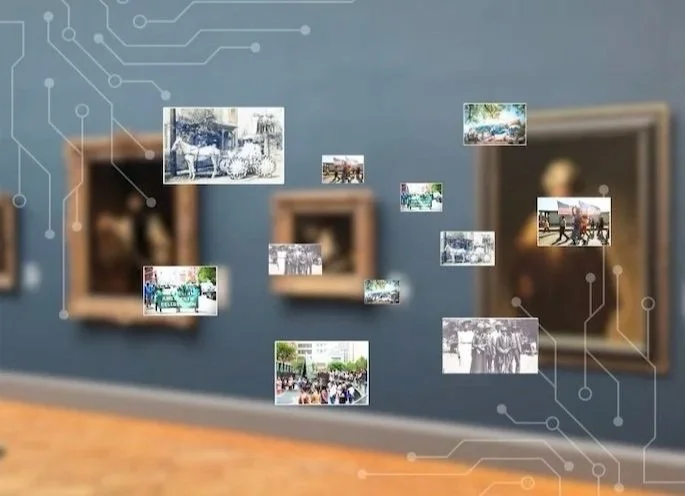
Guided Juneteenth Virtual Museum Programming
Boost inclusive engagement with interactive virtual museum tours exploring Black history. This guided experience features:
Live Guides: Screen-shared tours of key artifacts, art, and historical narratives.
Interactive Tools: Chat prompts, live Q&As, and breakout rooms for active learning.
Team Reflections: Collaborative discussions on the history of freedom and equity.

Facilitated Storytelling & Reflection Workshops
Facilitated storytelling workshops centered around Juneteenth invite employees to engage with powerful narratives that go beyond facts and dates, bringing history to life through human experiences. As stories unfold, participants are encouraged to pause, reflect, and share their own thoughts in guided discussions, creating a space that feels both thoughtful and personal. These moments of reflection can deepen understanding, spark empathy, and leave a lasting impact that continues well beyond the session.

Start a virtual book club for employees
A virtual book club centered around Juneteenth creates space for employees to slow down, reflect, and engage with stories that carry history, resilience, and lived experience. Through shared reading and guided conversations, participants can connect not just with the material, but with each other—sharing perspectives, emotions, and insights in a more personal way. Over time, these discussions can foster deeper understanding and a sense of connection that extends beyond the workplace.
Why Virtual Formats Work
Virtual programming makes it easier to bring teams together, regardless of location, creating a shared experience for employees who may never interact in person. It also allows organizations to deliver consistent learning experiences across departments, ensuring that everyone is engaging with the same content in a meaningful way.
In practice, this might look like employees across different cities joining a live session where a guide leads a Juneteenth discussion, using screen-sharing to present visuals while participants respond to prompts in the chat or join breakout rooms for smaller conversations. A team in New York, for example, can engage in real-time dialogue with colleagues in other regions, sharing perspectives and reflecting together despite being physically apart.
Key benefits include:
Accessibility for distributed teams, allowing remote employees to fully participate without travel
Real-time interaction across locations through live discussion, chat, and Q&A
Scalable sessions for larger groups, where hundreds of participants can join the same experience
Flexible scheduling options, making it easier to accommodate different time zones and team needs
For example, organizations may host multiple sessions throughout the week to reach global teams, or offer shorter, repeated sessions to allow more employees to participate. Some programs also incorporate interactive elements such as live polls, guided reflection prompts, or group discussions that keep participants actively involved.
Key Takeaways
• Interactive formats encourage stronger participation• Guided discussion improves understanding• Connecting history to work increases relevance• Shared learning strengthens team communication
Conclusion
Juneteenth invites organizations to do more than simply acknowledge history—it challenges them to engage with it in a way that feels real and meaningful. When employees are given the space to listen, reflect, and share, these experiences become more than just programming—they become moments of connection.
Through interactive virtual experiences, teams can build understanding, strengthen relationships, and carry those insights into their everyday work, creating a more thoughtful and inclusive environment over time.
